About Us
A unique treatment model for addiction recovery
Living Sober Rehab is one of the best treatment facilities for addiction recovery — alcoholism and drug addiction. Treatment here is trusted, confidential and effective.
Who we are
Friendly approach, effective protocols
It is our friendly approach along with effective treatment protocols that makes Living Sober Rehab a unique treatment model for addiction recovery.
Our treatment program is a combination of AA's 12 steps, CBT and REBT, complemented with yoga and meditation along with psychiatric and medical inputs. Our intensive programs comprise outpatient and inpatient care — from detox and withdrawal management to a relapse-prevention plan and follow-ups.
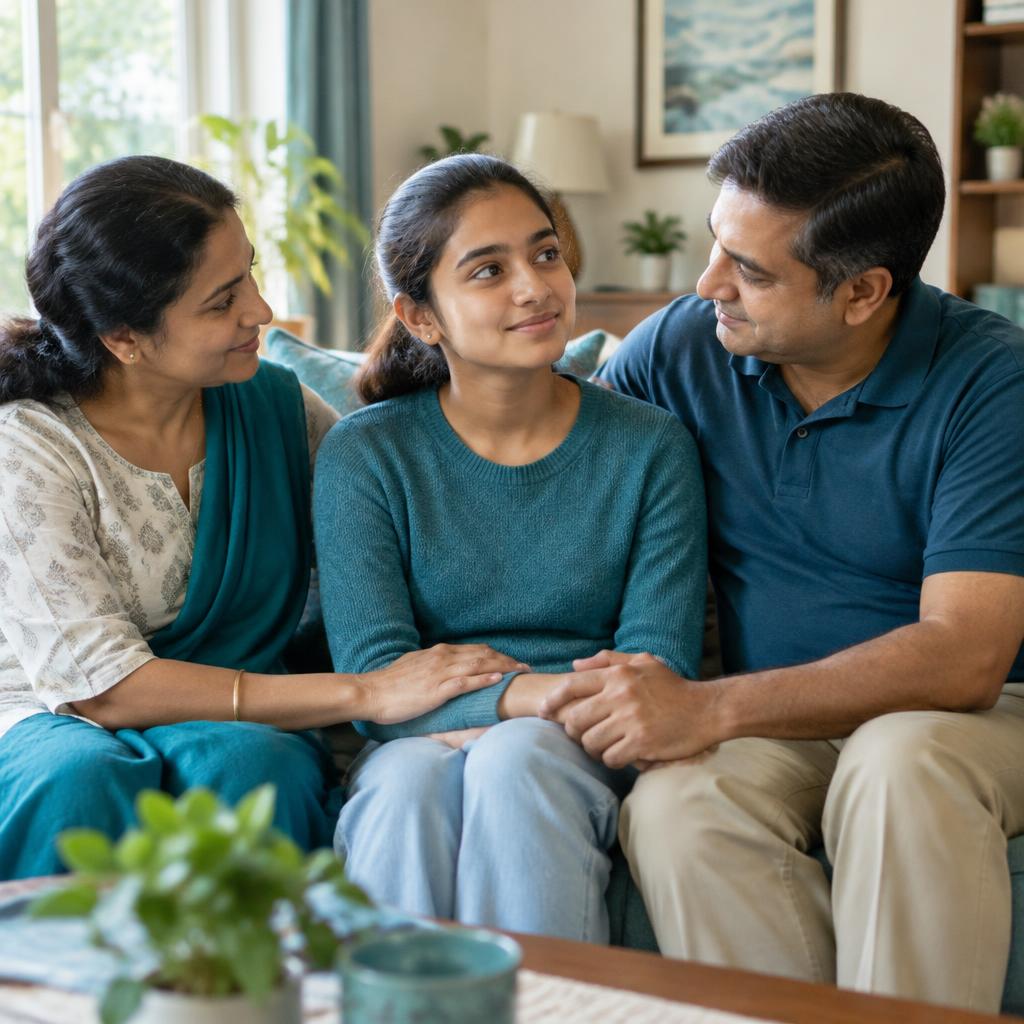
Living Sober Rehab also provides constructive care and support to family members. As families play a major role in helping an addict in treatment, our family counselling sessions empower the members of the family with the guidance needed to deal with an addict while in treatment and thereafter.

Why Choose Us
Individual attention, collective expertise
Living Sober Rehab provides friendly, effective, confidential and motivational treatment for alcohol and drug addiction. The protocols of the rehab have evolved over the years, based on practices and experience.
At Living Sober Rehab, each client is assigned a primary counselor who plans a recovery strategy along with the therapy team. The therapy team meets every day to plan and execute a program for each client based on the individual's requirements, and meets once a week to evaluate the client's involvement and strategise a weekly recovery plan. Thus the collective knowledge, skill and experience of the entire team are sourced to benefit each client — while each client gets individual attention.
Treatment Approach
Every client is exposed to all of the following elements
A comprehensive set of therapeutic elements addresses the whole person — physical, mental, emotional, social and spiritual.
Detox & withdrawal management
Done under the supervision of a psychiatrist along with a medical nurse, with round-the-clock monitoring.
Comprehensive medical assessment
Covering most physical parameters.
Psychiatric assessment
By a psychiatrist, for any co-occurring or underlying psychiatric issues.
Orientation
By the de-addiction therapist.
Daily yoga & meditation
Early morning sessions.
Input sessions
Interactive group sessions by several therapists on a variety of relevant topics, followed by individual processing.
Individual counselling
By the assigned primary counselor, on a regular basis.
Daily AA/NA meetings
Daily in-house meetings, sometimes attended by outside fellowship members.
Emotional management group sessions
Practising the CBT model for identifying thoughts and emotions.
Audio–video inputs
Viewing and listening to relevant films and audio tapes sourced from all over the world.
Autobiography writing
Writing of the life story and sharing it with the counselor or group.
Working the steps
Writing intensive workbooks on Steps 1, 2 and 3 of Alcoholics Anonymous, Narcotics Anonymous and/or Gamblers Anonymous.
Weekly negative character traits & emotions charting
Identifying the most prominent negative personality traits and emotions, and evolving strategies to address them.
Group feedback
Getting structured feedback from fellow members.
Family interventions & meetings
Helpful in denial breaking, boundary setting and resolving long-standing issues, including marital and parental aspects.
Psychological intervention
In cases identified with acute co-occurring psychological issues, a clinical psychologist is brought in for in-depth diagnosis and support.
Psychiatric support
For those with dual diagnosis, regular sessions with the psychiatrist become part of the individual's treatment plan.
Making goals
Both long-term and short-term goals.
Relapse prevention
Identifying individual relapse triggers and learning how to deal with them.
Family communication
Special sessions prior to discharge, aimed at re-building relationships.
Follow-up
Dates fixed for structured follow-up sessions to address ongoing challenges in recovery.
Family Support Program
Critical support for the family, alongside treatment
Living Sober's Family Support Program runs concurrent to the inpatient treatment of the individual. It is designed to provide critical support to the family members:
- Psycho-education — Learning about addiction based on the latest scientific information.
- Orientation — Knowing what to expect and how to cooperate with the therapy team to maximise the impact of recovery on the individual and the family.
- External support — Introduction to family support groups, such as Al-Anon.
- Family intervention sessions — Preparing for and participating in structured intervention sessions with the individual in treatment.
- Communication exercises — Between the individual and family members, to resolve and rebuild relationships.
- Relapse prevention — The family shares in and participates in the relapse-prevention plan.
- Attending classes — Conducted regularly at the facility, covering various aspects of addiction and recovery.
Questions? Call +91 6303995677.
Talk to us about recovery
Admissions are in progress. Call and speak to our team about the right program for you or your loved one.